
Children are natural scientists. They ask why the sky changes color, whether fish sleep, and how many penguins would fit in the family bathtub. Some of these questions are easier to answer than others.
At Ripley’s Aquarium of the Smokies, you do not need to know every answer. In fact, how kids learn at Ripley’s Aquarium often begins with a parent saying, “I’m not sure. Let’s find out.”
An aquarium visit gives children something wonderful to work with: a real creature right in front of them. They can watch what it does, wonder why it does it, and look for clues. With a few simple prompts, your family outing can become a day of discovery. No worksheet required.
Begin With What They Notice
Before reading an exhibit sign aloud, give your child a moment to look. Ask, “What do you notice?” Then wait.
They may point out a fish’s stripes, the way a jelly moves, or a penguin that seems to follow another penguin everywhere. Their observation might be different from yours. That is part of the fun.
Then, keep asking them questions. For instance, if a child thinks an animal is hiding, ask what they saw that gave them the idea. This helps them connect observation to reason, a life skill they can use even after the trip.
Young children can look for colors and shapes. Older children can compare two animals or predict what one will do next. Give everyone permission to be curious, including the adults. An aquarium is much more interesting when nobody feels as though they are taking a test.
Follow One Good Question
It is tempting to see everything quickly, especially when your family has other plans in Gatlinburg. But one good question can turn a stop at an exhibit into a memory.
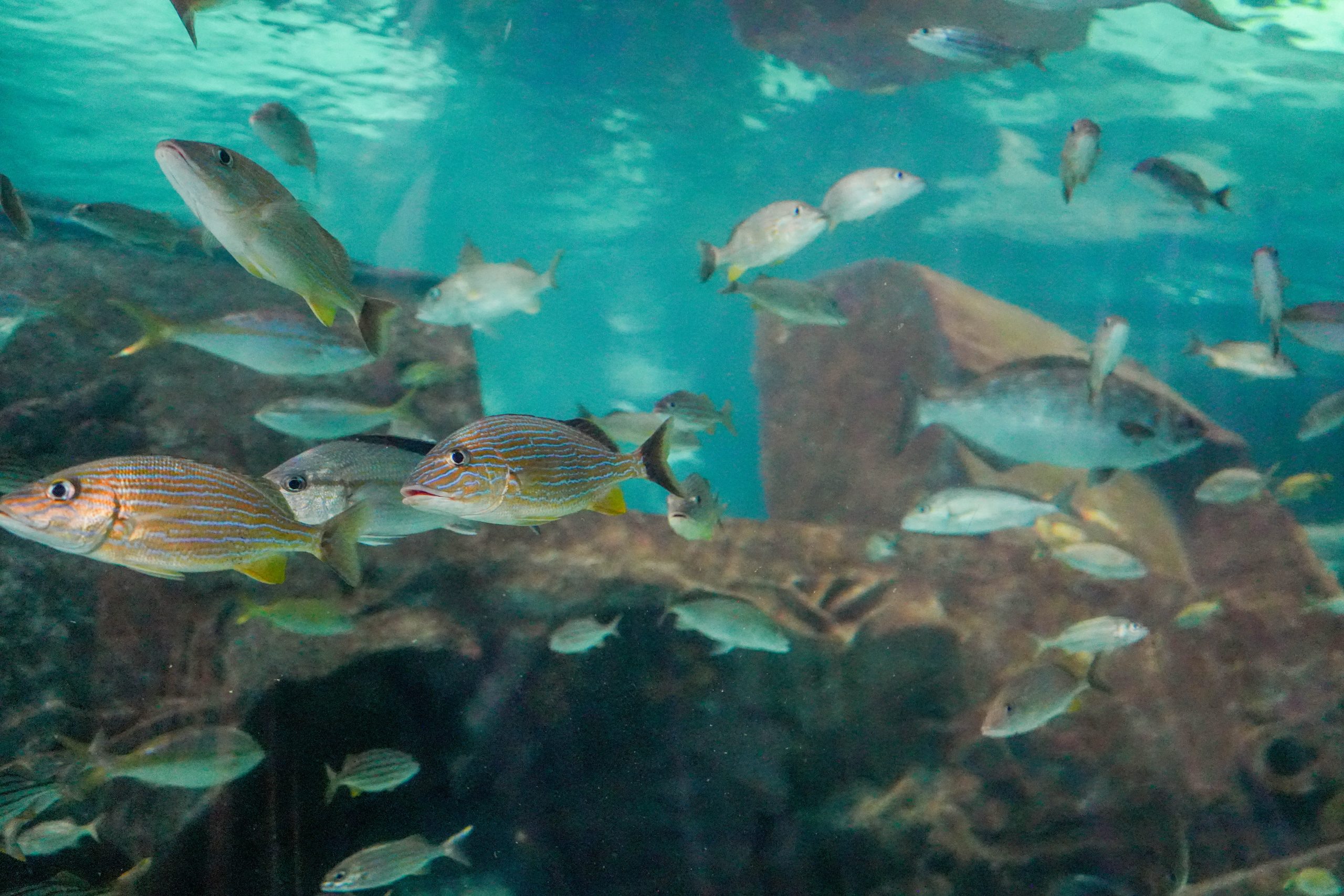
At Shark Lagoon, Ripley’s moving glidepath takes visitors beneath the water as sharks, sawfish, fish, and sea turtles pass by. Ask your child to choose one animal to watch. How does it move? Does it swim alone or near others? What does your child wonder about it?
When you reach the exhibit information, look for an answer together. You may discover that the sign answers a completely different question and gives your child three new ones. Congratulations: you have met a very curious little person, and the afternoon is going well.
Let Them Compare What They See
Comparison is one of the simplest ways to explore how kids learn at Ripley’s Aquarium. They don’t have to memorize names or facts to start noticing differences.
At Penguin Playhouse, children can watch African penguins from above and below the water. Ask how the penguins look when they walk compared with when they swim. Which one seems quicker? What changes when they enter the water?
You can try the same approach elsewhere. Find two creatures with different ways of moving. Look for an animal that blends into its surroundings and one that stands out. Ask your child what each might gain from the way it looks or behaves, then read together to see what you can learn.
You don’t need to turn every exhibit into a lesson. Pick a few moments when your child is especially interested. Curiosity works best when it gets a little room to breathe.
Make Space for Hands-On Discovery
Watching an animal is exciting. A chance to explore with more than your eyes can make the experience stick.
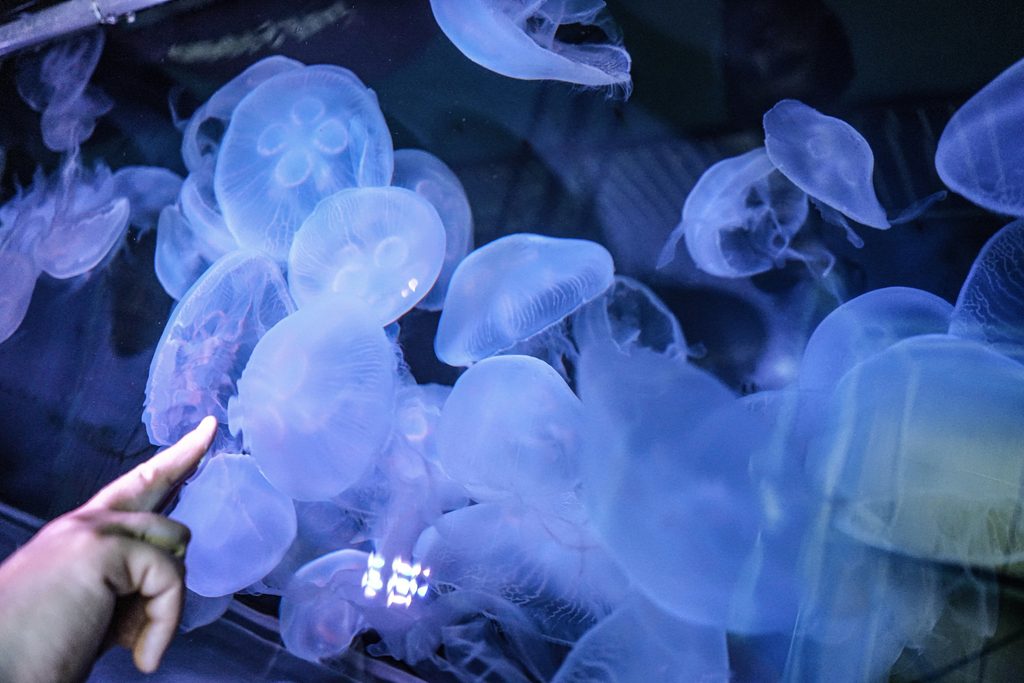
Ripley’s Discovery Center includes interactive exploration and a guided opportunity to touch moon jellies with an Animal Care Team Member. Touch-A-Ray Bay offers another chance to encounter an animal up close. These moments invite a different set of questions: What did that feel like? Was it what you expected? What would you like to know now? Follow the staff’s guidance and let your child describe the experience in their own words. “It felt weird” is a perfectly good start. You can ask what kind of weird. Slippery? Smooth? Surprising? Suddenly, they pay closer attention and find better words for what they discovered.
Keep Talking After You Leave
Learning doesn’t have to end when you leave the aquarium. Over dinner or on the ride home, ask everyone to name one thing that surprised them and one thing they still wonder about. Share your own answers, too.
If your child remembers the funny way a penguin walked instead of the animal fact you assumed was most important, hear them out, and ask questions about how the penguin moved. These are the details they will carry home. You can think of more questions together later and work as a team to find the answers or draw a picture of their favorite aquarium animal to hang on the fridge as a memory. Keeping them involved in the conversation is the goal.
Kids learn at Ripley’s Aquarium by looking closely, asking freely, and discovering that there is always more to notice.
The Ripley’s Challenge
Want to keep the curiosity going? At your next stop, challenge each family member to notice one surprising thing, ask one question, and find one possible explanation.
Try it among the unusual exhibits at Ripley’s Believe It or Not! while your eyes play tricks on you at Ripley’s Illusion Lab, or as you find your way through Ripley’s Mirror Maze. Each place gives your family a new reason to look again and ask, “How does that work?” Ripley’s U-Pick Combo Pass is the perfect way to learn more and enjoy the other great Ripley’s attractions in the Smoky Mountains.
You might go home with an answer. You might go home with another question. Either way, you will have given your child something worth keeping: the habit of wondering.
Comments are closed